
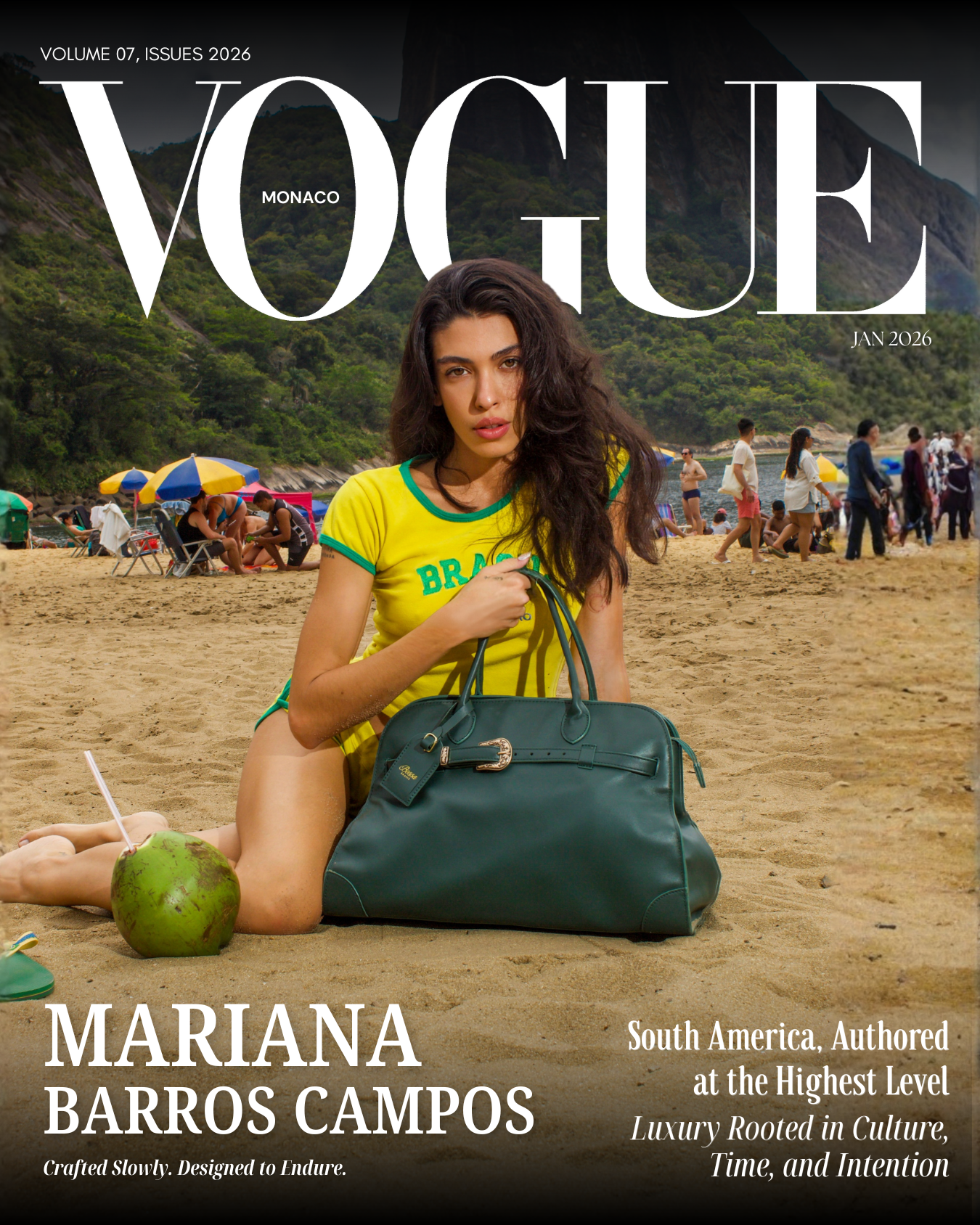
Where heritage, craftsmanship, and cultural identity converge
Luxury, at its highest expression, is quiet. It does not demand attention, chase trends, or rely on spectacle. It is deliberate, enduring, and deeply intentional. For Mariana Barros Campos, luxury is not a product category—it is a language shaped by time, place, and human hands. Through her brand, Bossa Brasil, she is redefining how Brazilian craftsmanship is seen on the global luxury stage, not as a supporting act, but as a powerful author in its own right.
Mariana’s work resists urgency. It builds slowly, thoughtfully, and with conviction—bridging continents, cultures, and histories that have long been separated more by perception than by reality.
A Creative Sensibility Rooted in Time
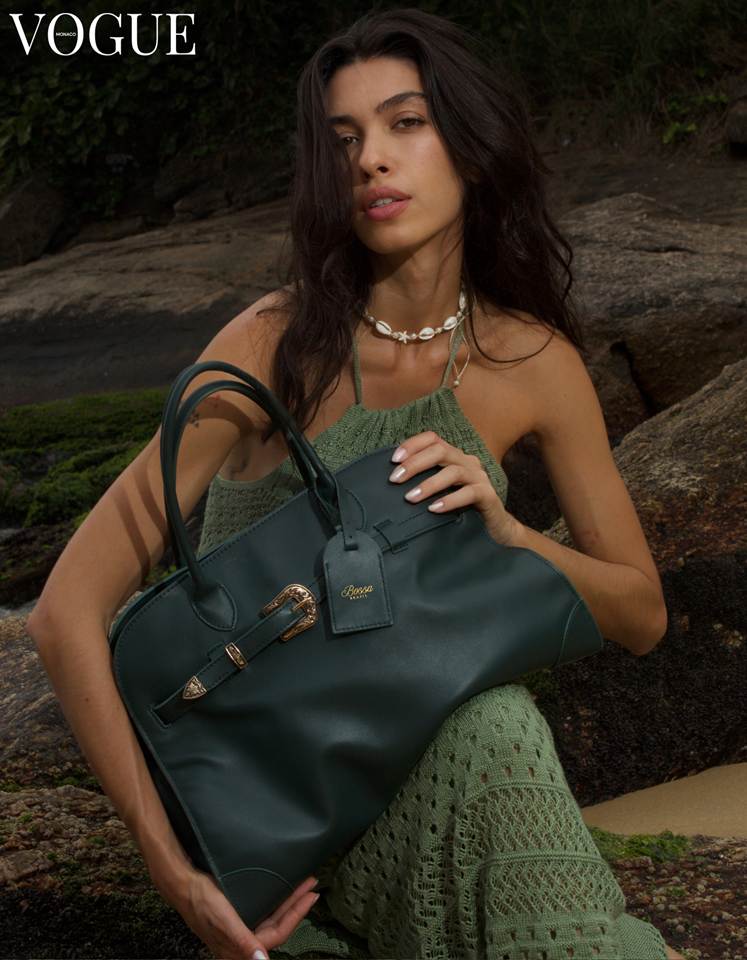
Mariana’s instinct for creation emerged long before she had the words to define it. Raised on a ranch in the countryside of Minas Gerais, she grew up surrounded by objects made to last—saddles, leather tools, and utilitarian pieces shaped by years of use rather than seasonal relevance. Life moved at a slower rhythm, allowing space to observe texture, form, and the quiet beauty of aging materials.
This environment shaped her values early on: longevity over novelty, substance over display. These principles would later become foundational to her work, though at the time, they existed simply as instinct—absorbed through daily life.
Her entry into fashion came unexpectedly through modeling. Scouted in her teens, Mariana was introduced to an industry often seen only from the outside. What began as opportunity quickly became education, taking her to Paris, where fashion reveals its most disciplined and demanding form.
Paris and the True Language of Luxury
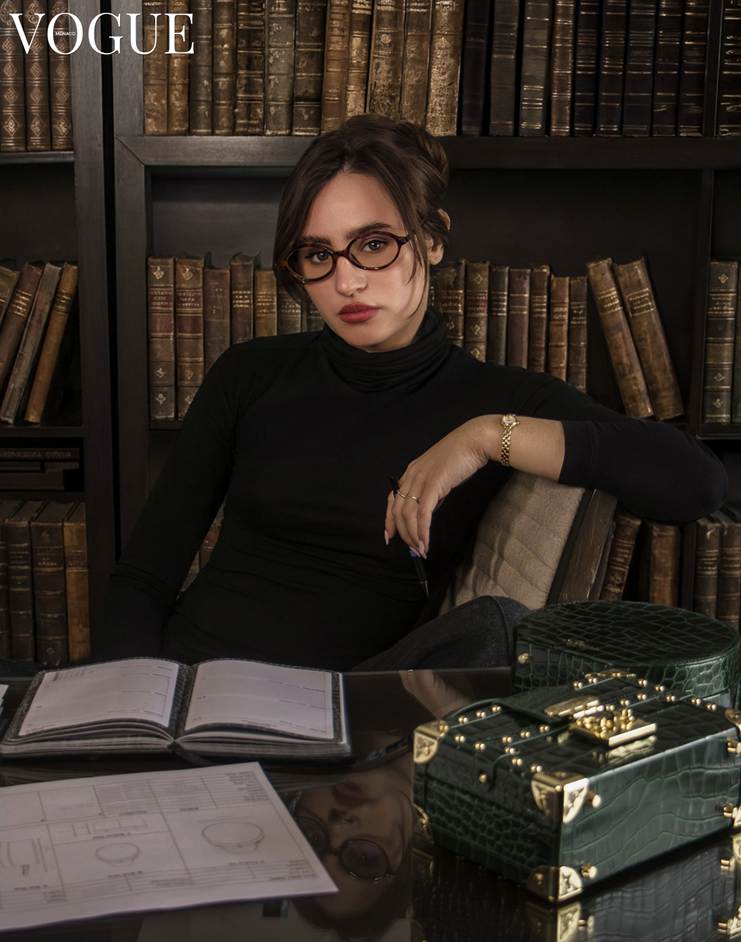
In Paris, Mariana encountered luxury stripped of illusion. Behind the glamour lay rigor—precise processes, deep respect for heritage, and an unwavering commitment to craftsmanship. Working with houses such as Chanel, Louis Vuitton, and Giorgio Armani, she observed how collections are built, how ateliers function, and how ideas are translated into objects through time-intensive mastery.
Luxury, she learned, is not excess—it is precision.
Not novelty—but continuity.
Not branding alone—but heritage, discipline, and time.
Yet as her understanding of European luxury deepened, so did her awareness of Brazil’s overlooked parallels. She began to see clear connections between Parisian ateliers and Brazilian workshops—both rooted in generational skill, obsessive attention to detail, and respect for materials.
The difference was never quality.
It was recognition.
Reclaiming Authorship
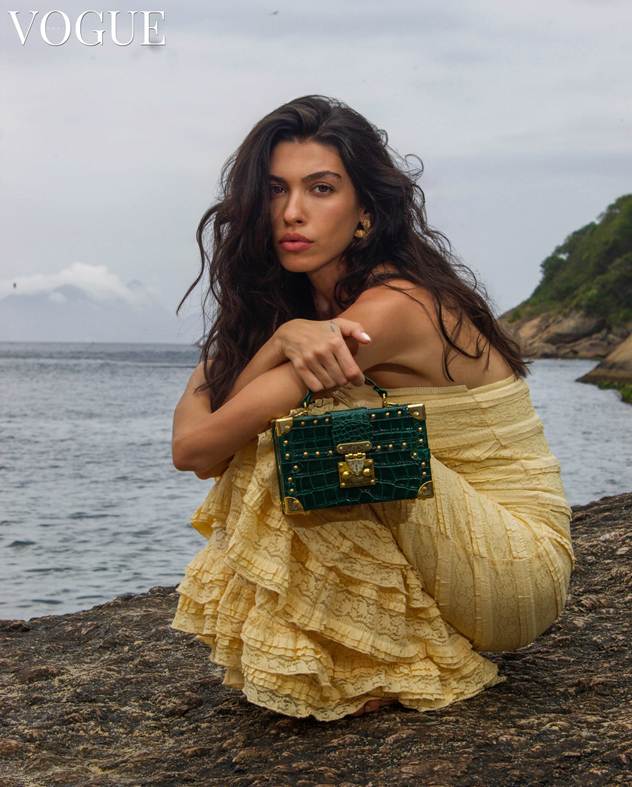
Brazil has long played a silent role in the global luxury ecosystem. It supplies some of the world’s finest raw materials—particularly leather—yet remains underrepresented as an author of finished luxury goods. Brazilian cowhides are exported, refined abroad, and returned as products bearing European names and five-figure price tags.
The craftsmanship exists.
The materials exist.
The heritage exists.
What has been missing is authorship.
Bossa Brasil was born from this realization. Mariana began working directly with small, family-run workshops in southern Brazil—ateliers built around saddlery traditions passed down through generations. These are places not found online, but through travel, conversation, and trust. When artisans who have spent decades crafting saddles meant to last generations turn their hands to handbags, the result is immediate and unmistakable.
Her role is not to reinvent these traditions, but to frame them with the same rigor, respect, and ambition she encountered in Europe.
Creation Without Formula
Mariana’s creative process resists strategy-driven formulas. She does not design around trends, seasonal calendars, or market forecasts. Instead, her work begins with curiosity—sparked by music, poetry, travel, nature, and lived experience.
Creation, for her, is not the starting point—it is the consequence.
An idea must linger. It must carry emotional weight and personal resonance before becoming tangible. This intuitive approach keeps her work honest and protects the brand from becoming reactive or diluted. Each piece emerges as something inevitable, not manufactured.
Brazilian Soul, Global Voice
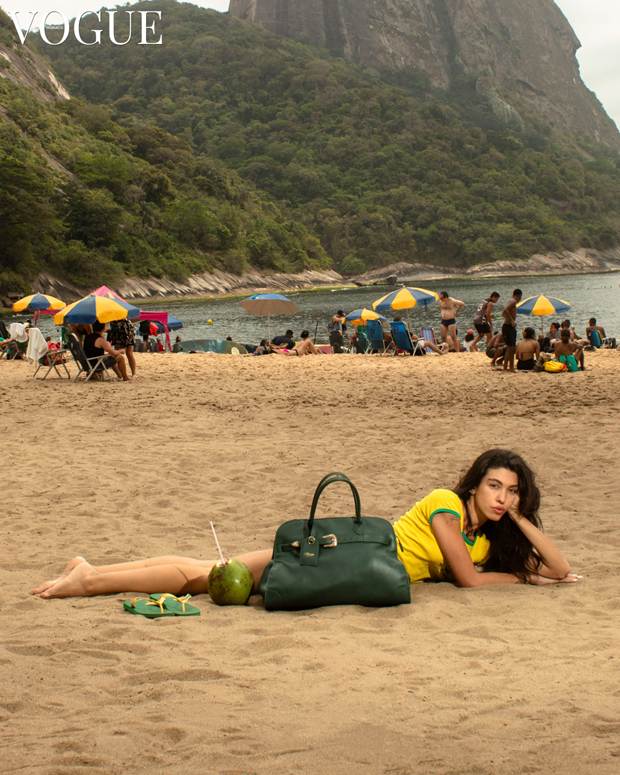
Brazilian culture lives at the heart of Mariana’s work. She is especially inspired by the Bossa Nova era of late 1950s and 1960s Rio de Janeiro—a time defined by quiet sophistication, freedom, and effortless sensuality. To her, it represents a way of living that is intimate yet unapologetic, soft yet deeply assured.
Nature plays an equally vital role. The Brazilian way of moving through the world—expressive, instinctive, emotionally honest—finds its way into her designs not through symbolism, but through feeling. Her work is less about nostalgia and more about translation: transforming cultural essence into objects that feel contemporary, intentional, and emotionally resonant.
Redefining Success
For Mariana, success is not scale, speed, or ubiquity. It is impact and perception.
A defining moment came in September 2025, when Bossa Brasil’s pre-launch handbag collection sold out within 24 hours. What mattered was not the speed of the sell-out, but what it signified—clear international demand for Brazilian-rooted luxury executed with discipline and depth.
Customers were willing to wait.
They wanted fewer things, made better.
They valued intention over abundance.
This mindset mirrors Mariana’s own—and defines her vision for the future.
Depth Over Expansion
Looking ahead, Mariana has no desire to make Bossa Brasil fast or ubiquitous. Growth for its own sake has never been the goal. Instead, she envisions deeper exploration—custom pieces, one-of-a-kind creations, and projects that push craftsmanship and narrative further.
By keeping production considered and the client base intimate, she preserves the freedom to create work that is demanding, culturally grounded, and timeless.
As Henri Matisse once said, “Creativity takes courage.”
For Mariana Barros Campos, that courage lies in choosing depth over noise—and authorship over imitation.
Image Credits:
Handbags by Bossa Brasil
Creative Direction: Mariana Barros Campos
Photography: Ruca Prates, Muniz França
Model: Ingrid Pimenta
Assistants: Athira Nair, Sarah Lovett