
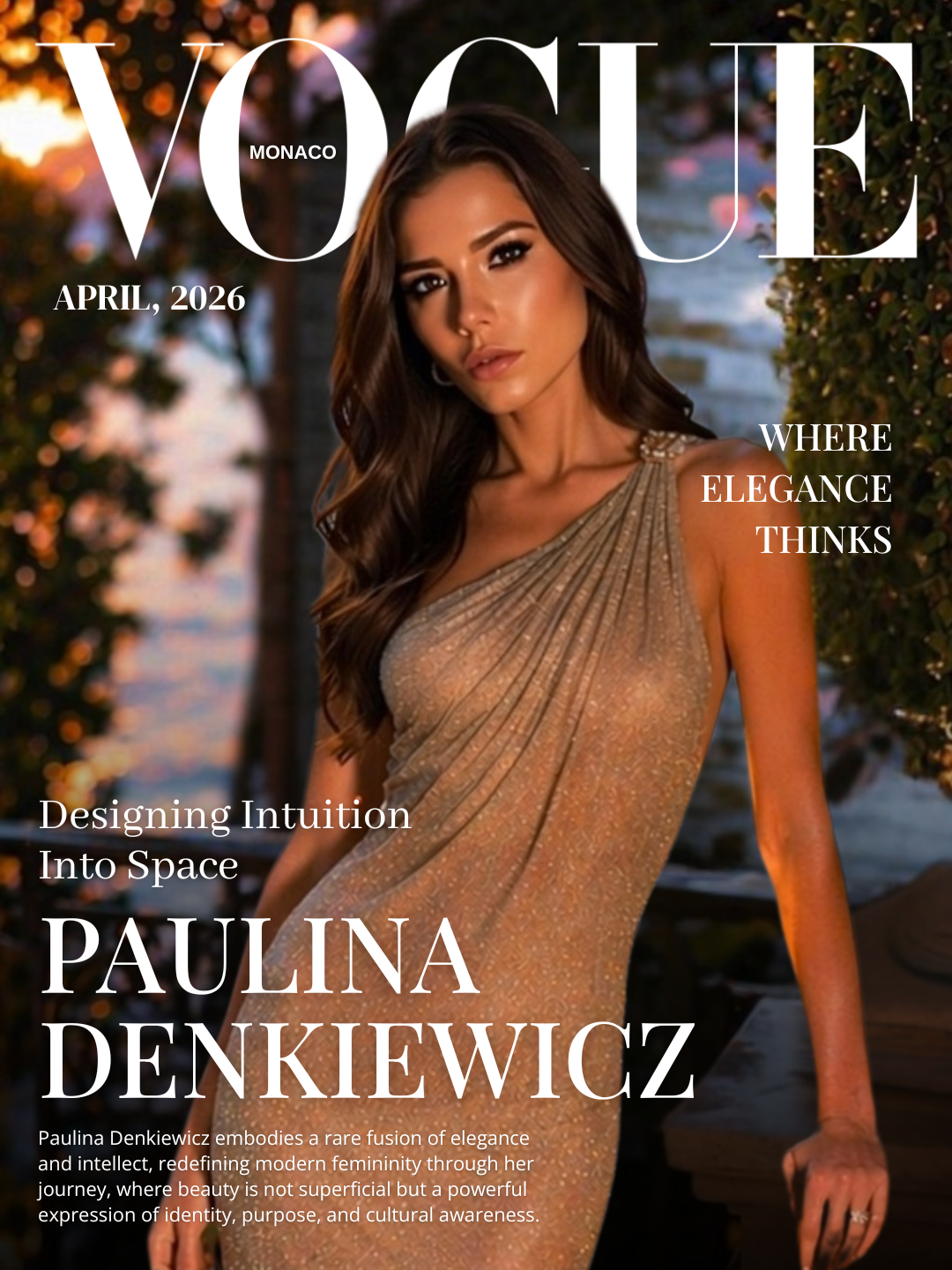
In an era where visibility is often mistaken for value, Paulina Denkiewicz represents something far more enduring—substance shaped with intention. She is not a product of fleeting trends or algorithmic relevance. Instead, she embodies a quieter, more refined evolution of modern femininity, where intellect, elegance, and purpose coexist without conflict.
Her presence does not rely on excess. It is measured, deliberate, and deeply self-aware.
Paulina’s journey began not with a grand declaration, but with a subtle shift—one that took place during her years in Monaco. Known globally as a symbol of luxury and cultivated living, Monaco offered her more than aesthetic inspiration. It provided a context. A space where discipline meets beauty, and where identity is continuously shaped by both internal reflection and external influence.
It was within this environment that she made a decision that would quietly alter the course of her life: she entered the world of pageantry.
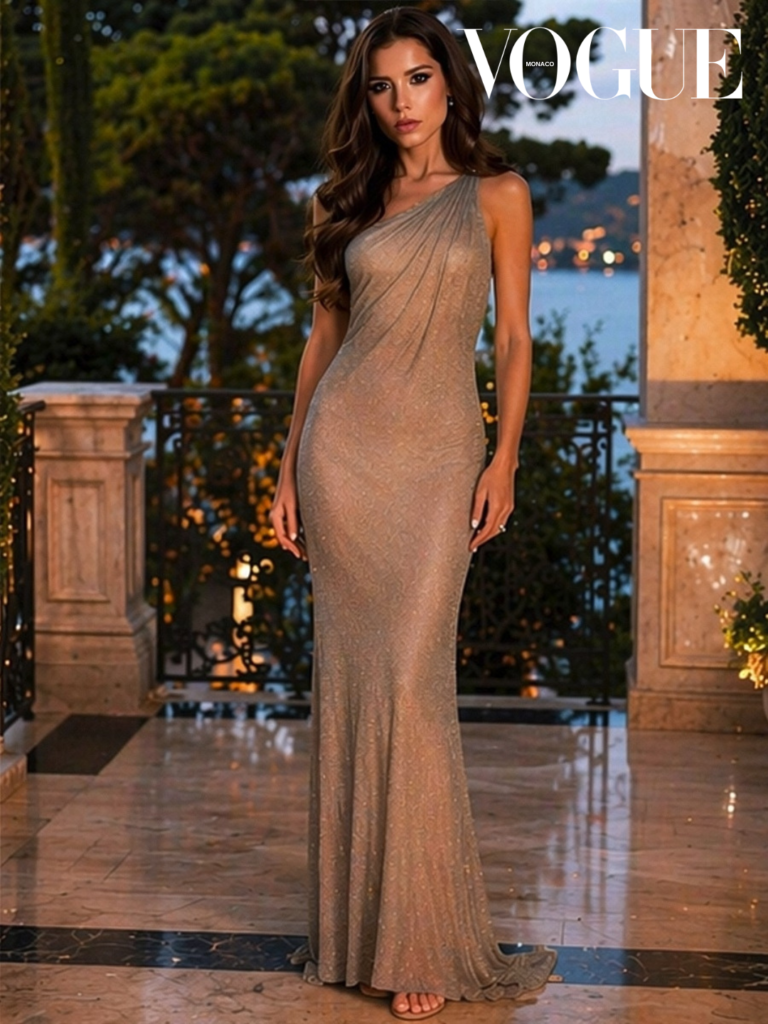
What might appear, at first glance, as a conventional step into the spotlight was, for Paulina, something far more introspective. It was not about validation, nor was it about conforming to an existing mold. It was an exploration—of presence, of discipline, and of the relationship between how one is seen and how one chooses to be understood.
Her success was undeniable. Being crowned Miss Monaco twice is a distinction that carries both prestige and expectation. Yet, for Paulina, the title itself was never the destination. It was a catalyst. A moment that demanded growth, resilience, and a deeper understanding of responsibility.
Because with visibility comes influence—and with influence, intention becomes essential.
At the core of Paulina’s philosophy is a belief that challenges one of the most persistent limitations placed on women: the separation of beauty and intellect. She rejects this division entirely. For her, beauty is not superficial—it is expressive. It is a form of communication that, when aligned with thought and awareness, becomes powerful rather than ornamental.
This perspective is not theoretical. It is lived.
While navigating the demands of a public-facing career, Paulina is also immersed in postgraduate studies in law and art history—two disciplines that, at first glance, may seem distinct, yet together create a compelling intellectual framework. Law provides structure, logic, and a sense of order. Art history, on the other hand, invites interpretation, emotion, and cultural depth.

Together, they form a duality that defines her approach to life.
She is as comfortable analyzing legal frameworks as she is interpreting the symbolism of Renaissance art. This ability to move between structure and creativity, precision and imagination, allows her to engage with the world in a way that is both nuanced and multidimensional.
It is this balance that sets her apart—not just within the fashion and pageant industries, but within a broader cultural context that increasingly values authenticity over performance.
Paulina does not participate in projects for the sake of exposure. Her choices are intentional, guided by alignment rather than opportunity alone. She seeks out work that carries meaning—projects that tell a story, evoke thought, and contribute to a larger narrative. For her, visibility without purpose holds little value.
This discernment reflects a deeper understanding of influence.
In a time where many are driven by immediacy, Paulina operates with a long-term perspective. She understands that identity is not built overnight, and that true impact requires consistency, clarity, and a willingness to evolve.
Evolution, in fact, is the force that drives her most.
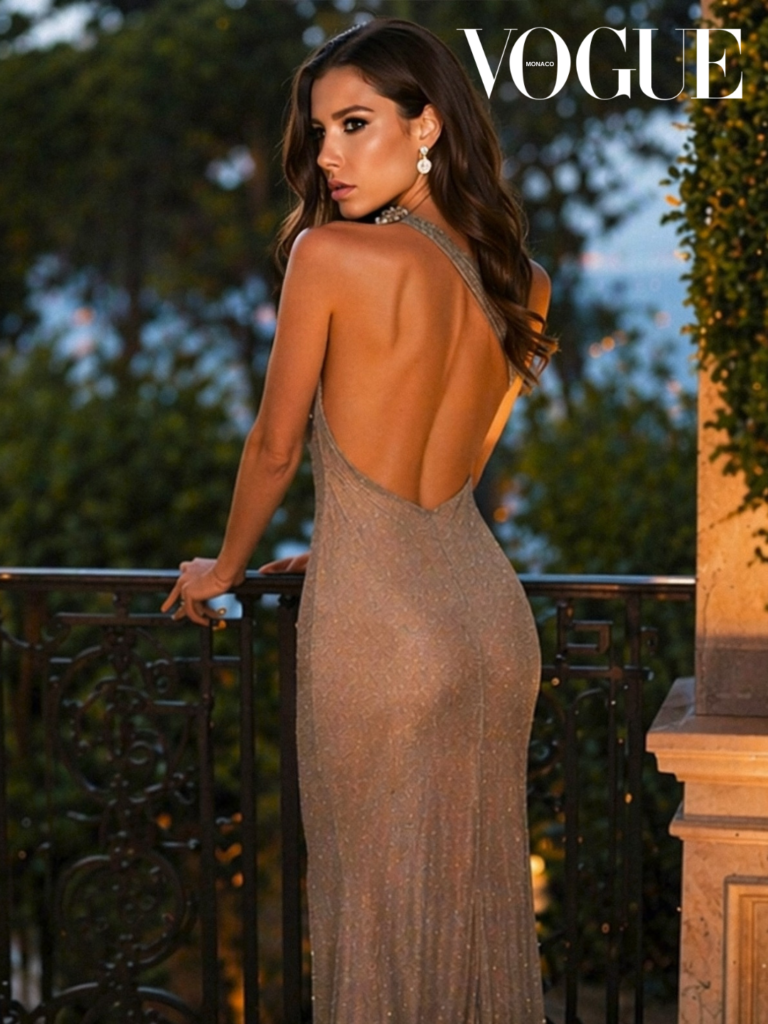
She speaks of growth not as a goal, but as a continuous process—a commitment to becoming rather than simply being. Whether through education, cultural exploration, or personal reflection, she is constantly refining her understanding of herself and the world around her.
This mindset is particularly evident in her relationship with art.
Her interest in Italian Renaissance painting is not casual. It is rooted in a genuine appreciation for the way art captures complexity—how it communicates ideas, emotions, and philosophies across time. The Renaissance, with its emphasis on human potential and intellectual expansion, resonates deeply with her own values.
It is, in many ways, a mirror.
Just as Renaissance artists sought to unify beauty with knowledge, Paulina seeks to embody that same integration in a contemporary context. She is not interested in surface-level aesthetics. She is drawn to depth, to meaning, to the stories that exist beneath what is immediately visible.
This approach extends beyond art and into every aspect of her life.
Fashion, for Paulina, is not merely about appearance. It is about expression. It is a language—one that allows her to communicate identity, mood, and perspective without words. Yet, even here, her choices remain intentional. She gravitates toward pieces and collaborations that align with her values, avoiding the noise of trends in favor of timelessness.
Travel, too, plays a significant role in shaping her worldview. Exposure to different cultures, ideas, and environments has deepened her understanding of both diversity and connection. Each place becomes a point of reference, contributing to a broader, more informed perspective.
And it is this perspective that informs her vision for the future.
Paulina is not interested in following a predefined path. She is creating her own—one that integrates her passions for law, art, fashion, and culture into a cohesive narrative. Her goal is not simply to exist within these spaces, but to connect them. To create projects that are not only visually compelling, but intellectually engaging.
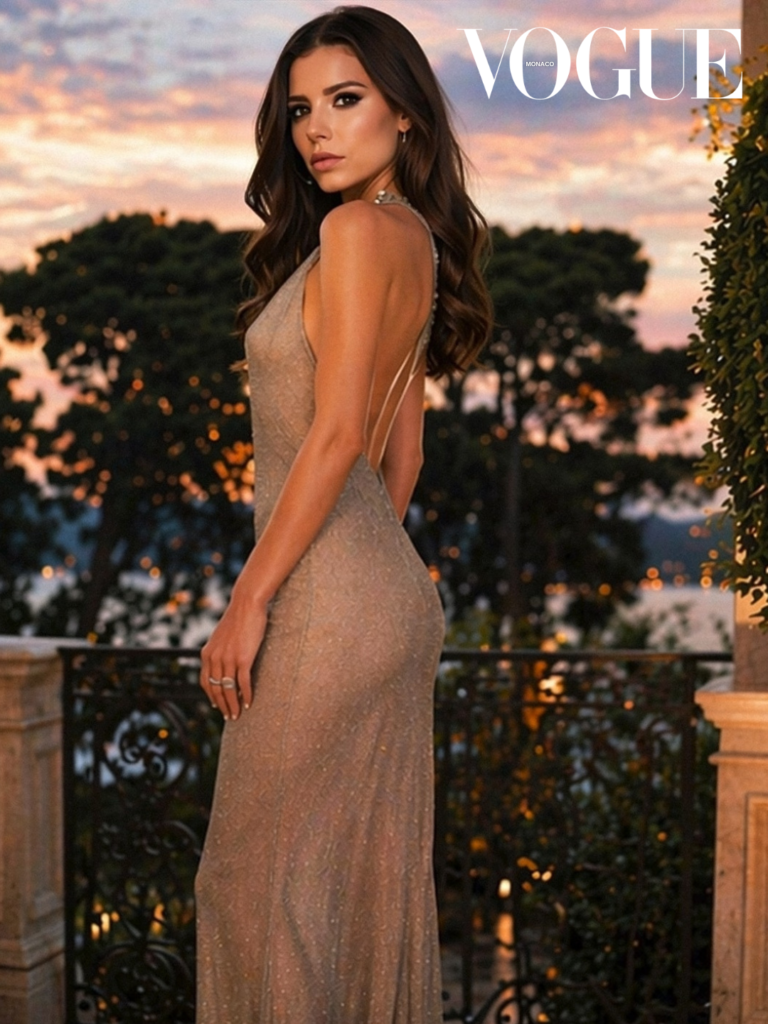
She envisions a world where beauty is not separated from meaning, where fashion intersects with culture, and where presence is supported by substance.
It is an ambitious vision—but one that feels entirely aligned with who she is.
When asked about success, her answer is both simple and profound: success is alignment.
Not recognition. Not status. Not external validation.
Alignment.
The ability to live in accordance with one’s values while continuing to evolve. To make decisions that reflect integrity rather than expectation. To move through the world with a sense of clarity and quiet confidence.
It is a definition that challenges conventional metrics, replacing them with something far more personal—and far more sustainable.
There is a certain discipline required to live this way. It demands self-awareness, patience, and the willingness to resist external pressures. It requires the ability to say no as often as yes. And above all, it requires trust—in oneself, in one’s path, and in the process of becoming.
Paulina embodies this discipline with a natural ease that is both rare and compelling.
She does not attempt to be everything at once. Instead, she focuses on becoming fully herself—layer by layer, experience by experience. There is no urgency in her evolution, only intention.
And perhaps that is what makes her presence so powerful.
In a world that often rewards speed, she chooses depth.
In a culture that prioritizes visibility, she prioritizes meaning.
In an industry that frequently simplifies identity, she insists on complexity.
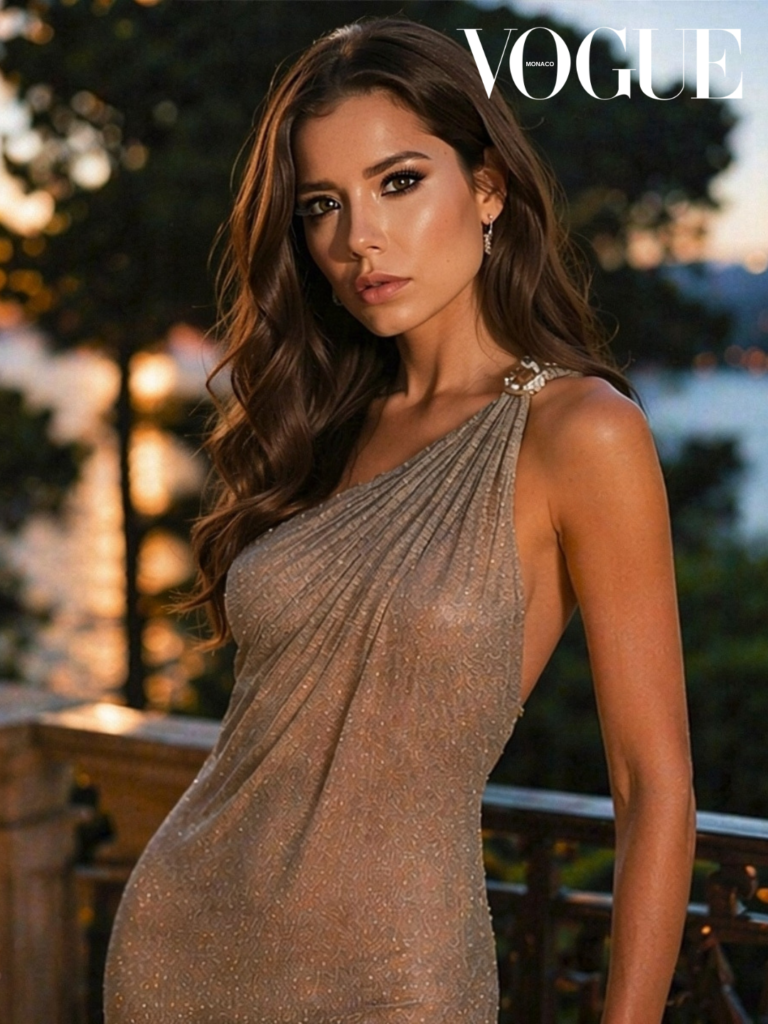
Paulina Denkiewicz is not redefining femininity through loud declarations or radical disruption. She is doing so through embodiment—through the quiet, consistent integration of beauty and intellect, presence and purpose.
She is not asking to be understood on the surface.
She is inviting you to look deeper.
And in doing so, she reminds us that the most compelling narratives are not the ones that demand attention—but the ones that hold it.